From Old Gadgets to New Opportunities: The Advantages of Electronic Waste Recycling
E-waste recycling plays a pivotal role in tackling environmental issues. Through converting obsolete electronics into recoverable resources, it diminishes the need for virgin raw materials. This approach not only preserves energy but also stimulates economic development by generating employment. However, the complexities of the recycling process and the importance of responsible practices raise critical questions. What are the distinct benefits and breakthroughs pushing this effort forward? The findings may come as a surprise to most.
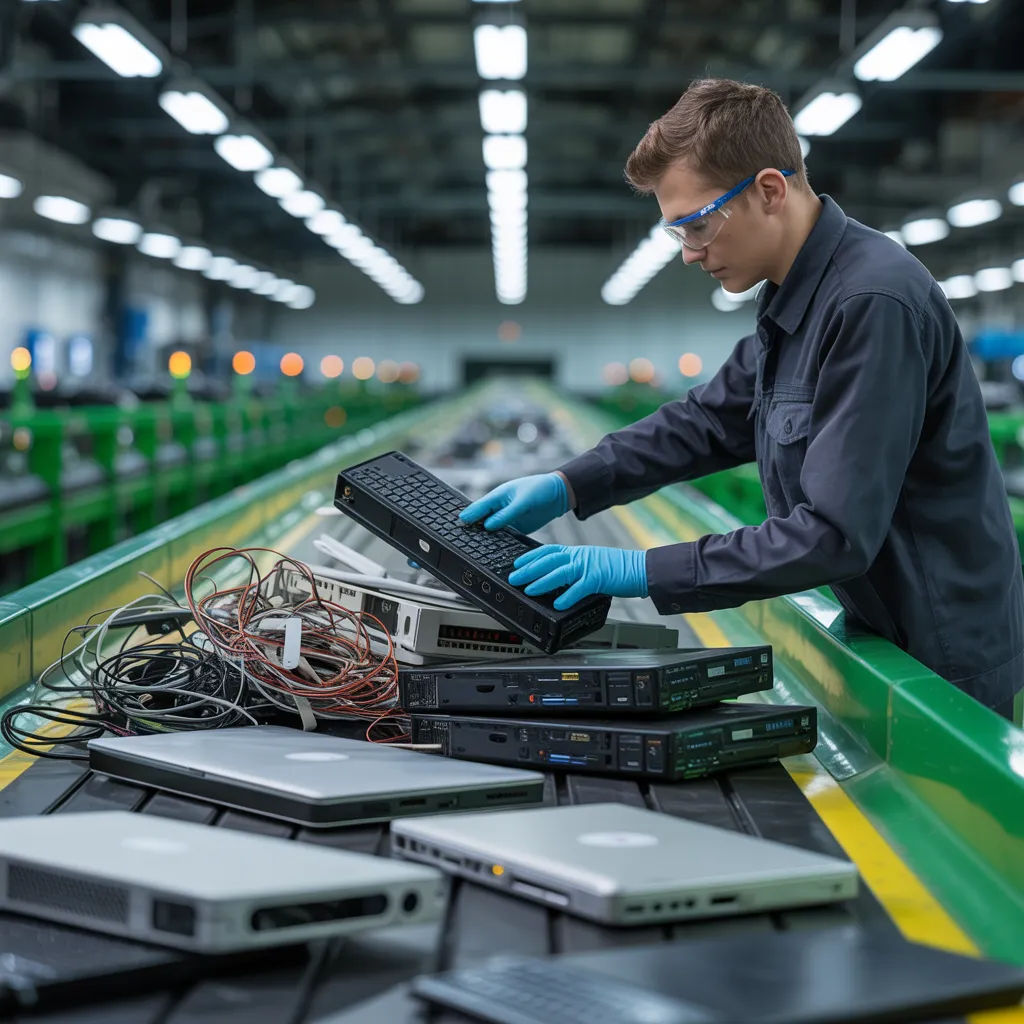
Why E-Waste Recycling Matters for Our Planet
The recycling of e-waste plays a crucial role in protecting the environment. As technology continues to evolve, electronics quickly become outdated, leading to millions of tons of e-waste annually. Improper disposal can release hazardous materials, like lead and mercury, into surrounding soil and water sources, posing significant health risks to ecosystems and humans alike. By recycling these materials, valuable resources can be extracted and reused, reducing the need for raw material extraction, which frequently leads to environmental damage.
Moreover, the recycling of e-waste plays a key role in energy conservation; recycling metals typically requires less energy than mining new ores. This process also minimizes greenhouse gas emissions, contributing to climate change mitigation. Furthermore, conscientious recycling habits contribute to building sustainable consumption patterns, prompting consumers to reconsider their electronic buying decisions. Overall, the recycling of e-waste is vital for preserving environmental integrity, advancing resource conservation, and minimizing pollution, ultimately contributing to a healthier world for generations to come.
Employment Opportunities From E-Waste Recycling
A considerable number of positions can be established through e-waste management initiatives, contributing to local economies and workforce development. These initiatives require various job functions, ranging from collection and sorting to processing and restoring electronic devices. By establishing e-waste management facilities, communities can create work opportunities for individuals at different skill levels, boosting career opportunities for residents in the area.
Furthermore, the expansion of this sector promotes skill-building programs that provide workers with targeted expertise in e-waste reclamation and sustainability management. Since the push for sustainable operations rises, the recycling of e-waste not only addresses environmental concerns but also fosters economic advancement.
In addition, small businesses and startups commonly develop in response to the growing need for electronic waste management, thereby widening workforce opportunities. Overall, the recycling of e-waste functions as a powerful motivator for workforce expansion, solidifying the link between ecological responsibility and economic development.
Essential Materials Recovered From E-Waste
Electronic equipment contain numerous valuable materials that can be retrieved through recycling procedures. Primary materials consist of metal compounds such as copper, gold, silver, and palladium, which are frequently utilized in wiring and circuit boards. Such metals are extractable and reusable, significantly lowering the demand for virgin mining. Additionally, rare earth minerals, namely neodymium along with dysprosium, fulfill essential purposes in creating advanced magnets and various other components.
Plastics and glass sourced from electronic devices play a significant role in recycling initiatives; plastics are capable of being transformed into entirely new products, whereas glass can be processed and reformed into new screens or containers. Moreover, batteries hold lithium, cobalt, and nickel, materials that are indispensable for modern energy storage solutions. By reclaiming these materials, e-waste recycling not only conserves natural resources but also minimizes environmental pollution, making it an important step toward a sustainable future.
Innovative New Tech in E-Waste Recycling
Breakthroughs in technology are revolutionizing the e-waste recycling industry, improving performance and productivity. Advanced sorting machinery, powered by intelligent algorithms, allows for rapid identification and separation of recoverable materials from electronic waste. This advancement limits human error while improving processing efficiency. Furthermore, automated shredders can reduce devices to smaller parts, which enables more efficient extraction of useful metals and plastic materials.
In addition, new chemical recycling processes are coming to light, facilitating the retrieval of rare earth elements from discarded devices. These methods not only enhance material recovery rates but also minimize environmental damage. Robotics are also making a considerable impact, with devices engineered to manage dangerous materials securely, protecting workers and the ecosystem.
With these technological advancements, e-waste recycling is evolving into more environmentally responsible, paving the way for a sustainable economic model where essential resources are consistently recycled, providing lasting benefits for both the environment and industry.
How to Recycle Your Electronics Responsibly
Responsible recycling of electronics is vital in maximizing the benefits of technological advancements in e-waste processing. Individuals can begin by identifying local e-waste recycling programs or designated collection events. Sign up A wide range of cities and towns maintain designated drop-off sites exclusively for discarded electronics. It is important to verify these facilities are certified to handle e-waste responsibly, as improper disposal can lead to environmental hazards.
Before disposing of devices for recycling, individuals must erase sensitive data from their electronics to protect their privacy. This entails performing factory resets and removing SIM cards when applicable. Moreover, accessories including chargers and cables should also be included in the recycling process, as they hold valuable recyclable materials.
Several manufacturers have established take-back programs, enabling consumers to send back outdated devices directly to the producer. By implementing these measures, people can participate in a circular economy, limiting harmful landfill buildup and promoting the recovery of precious materials.
Methods to Support E-Waste Recycling Initiatives
Supporting electronic waste recycling initiatives involves taking basic measures. People can donate outdated devices that remain in working condition, enabling reuse while cutting down on unnecessary disposal. In addition, engaging in local e-waste collection programs facilitates responsible disposal and recycling of outdated devices.
Contribute Your Old Electronics
Contributing old electronic devices acts as a vital step in the electronic waste recycling initiative. By providing gadgets with renewed purpose, people can decrease the amount of waste sent to landfills while backing a range of charitable causes. A wide variety of nonprofit groups take in operational gadgets, directing them toward people who need them most or using them to fund their programs. This effort not only aids those who may not afford new technology but also promotes environmental sustainability. In addition, giving electronics away tends to foster eco-friendly disposal habits, as nonprofits generally process non-functional parts according to environmental guidelines. Ultimately, donating old electronics fosters a culture of reuse, playing a key role in the overarching aim of minimizing e-waste and its detrimental effects on the environment.
Engage in Collection Events
Taking part in collection events serves as a forward-thinking approach to supporting e-waste recycling efforts. These events, frequently coordinated by local governments or environmental organizations, offer practical opportunities for individuals to hand over unwanted electronics responsibly. By attending these events, participants assist in redirecting hazardous materials from landfills and make certain that valuable resources are collected and recycled.
In addition, such events promote awareness of the critical role of e-waste recycling in the community. Such gatherings nurture a culture of sustainability and inspire others to think about the environmental effects of disposing of electronic waste. Additionally, many collection events offer educational resources, teaching attendees about appropriate disposal practices and how beneficial e-waste recycling can be. In summary, taking part in these events meaningfully advances broader sustainability goals.
Frequently Asked Questions
What Types of Electronics Can Be Recycled?
A wide range of electronics qualify for recycling, including laptops, smartphones, tablets, printers, televisions, and various household appliances. Responsible recycling ensures valuable materials are recovered, decreasing environmental damage and supporting sustainable practices in technology consumption.
Is Recycling E-Waste Environmentally Safe?
Electronic waste recycling is typically safe for the environment when performed appropriately. It works to stop dangerous materials from contaminating soil and water, while simultaneously recovering valuable resources, consequently promoting sustainable practices and reducing environmental impact.
How Is Data Deleted From Recycled Devices?
Data is wiped from refurbished devices through techniques such as factory resets, data-wiping software, or physical destruction of storage components. These processes guarantee confidential data is unrecoverable, protecting user privacy during e-waste recycling.
Are Broken Electronics Eligible for Recycling?
Indeed, non-functioning electronics can be recycled. Many facilities welcome damaged devices, providing responsible disposal of toxic substances. Disposing of these devices responsibly not only decreases the burden on landfills but also recovers valuable resources for reuse in new products.
What Occurs with E-Waste Following Collection?
After collection, e-waste is subjected to a sorting and dismantling process, where precious materials are separated. Leftover components are handled for recycling or responsible disposal, making sure hazardous materials are handled safely while recovering metals, plastics, and other reusable resources.